Oahu’s crystal-clear waters and vibrant marine life make it a paradise for fishing enthusiasts. From the deep offshore waters to the shallow coastal reefs, the island offers some of the most exciting angling experiences in the world. But with this incredible opportunity comes a great responsibility. How can you ensure that your fishing adventure contributes to, rather than detracts from, the health of Oahu’s delicate marine ecosystem?
This guide is designed for visitors who want to experience the thrill of fishing on Oahu while respecting its natural resources. We’ll explore what sustainable fishing means in the context of the island, outline responsible practices, and show you how to support local efforts to preserve these waters for generations to come. By following these guidelines, you can make your trip both memorable and meaningful.
What is Sustainable Fishing?
Sustainable fishing is the practice of catching fish in a way that ensures the long-term health and stability of fish populations and their ecosystems. It’s about finding a balance between enjoying the ocean’s bounty and preserving it for the future. The goal is simple: to maintain fish populations at healthy levels, minimize environmental impact, and support the communities that depend on these resources.
On an island like Oahu, where the ocean is deeply intertwined with culture, economy, and daily life, sustainability is not just a buzzword—it’s a necessity. Decades of overfishing, pollution, and habitat destruction have put immense pressure on local marine life. Adopting sustainable practices is the most effective way to reverse this damage and protect the natural beauty that draws millions of visitors to Hawaii each year.
Common Fishing Methods and Their Impact
Understanding the different fishing methods used on Oahu and their environmental impact is the first step toward making responsible choices.
Shore Fishing (Shorecasting)
This is one of the most accessible forms of fishing, involving casting a line from the shoreline or a pier. While generally low-impact, shore fishers must be mindful of their surroundings.
Potential Impact: Damage to coral reefs from snagged lines or anchors, entanglement of non-target species, and leaving behind fishing lines and hooks that can harm wildlife.
Sustainable Approach: Fish in sandy areas to avoid coral, use barbless hooks for easier release, and always pack out everything you bring in.
Spear Fishing
A traditional method in Hawaii, spear fishing can be highly selective, as it allows the fisher to target specific fish. However, it requires skill and a deep understanding of local regulations.
Potential Impact: Accidentally spearing undersized fish or protected species, damaging coral with fins or equipment, and targeting vulnerable herbivorous fish that are crucial for reef health.
Sustainable Approach: Know your species and size limits. Never stand on or touch coral. Focus on invasive species like roi (peacock grouper) to help restore balance to the reef.
Bottom Fishing
This method involves dropping a weighted line to the seafloor to catch fish that live near the bottom. It is popular for catching species like snapper and goatfish.
Potential Impact: High rates of bycatch (catching non-target species), and damage to the seafloor habitat from dragging weights and anchors.
Sustainable Approach: Use circle hooks, which are less likely to be swallowed by fish and make catch-and-release easier. Avoid fishing in sensitive marine protected areas.
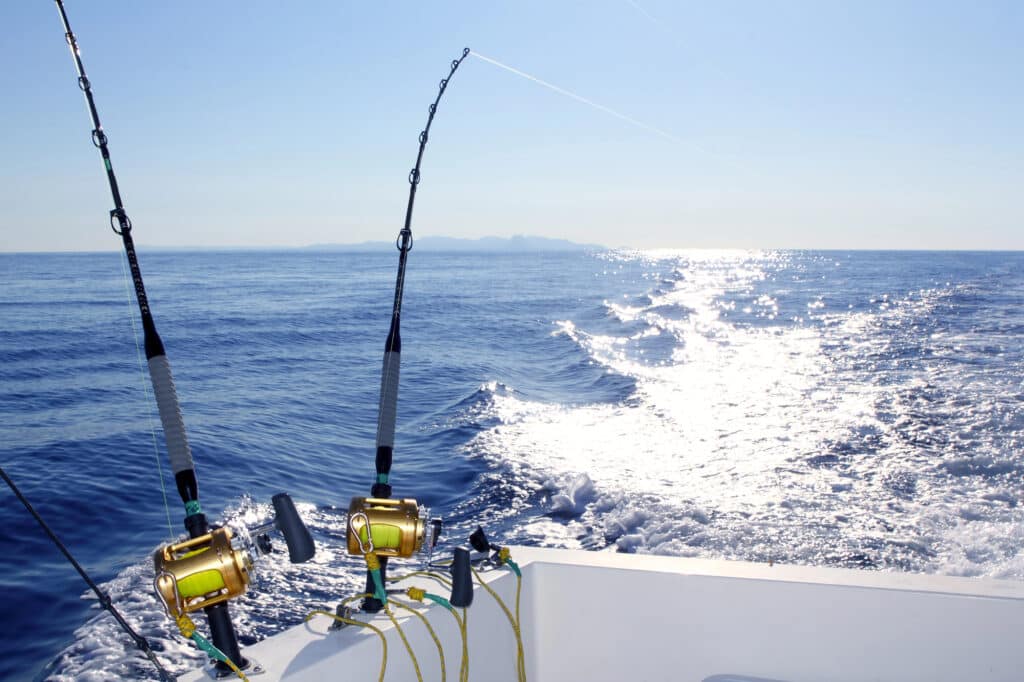
Trolling and Deep-Sea Fishing
Often done from charter boats, trolling involves pulling lures or bait behind a moving vessel to catch large, open-ocean species like tuna, mahi-mahi, and marlin.
Potential Impact: Bycatch of sharks, sea turtles, and marine mammals. Overfishing of top predator species can also disrupt the entire marine food web.
Sustainable Approach: Choose charter companies that practice catch-and-release for billfish and other vulnerable species. Ensure the crew uses gear designed to minimize bycatch.
How Visitors Can Fish Sustainably
Ready to cast a line? Here are the most effective guidelines for visitors to follow to ensure their fishing activities are responsible and respectful.
Know and Follow Regulations
Hawaii has specific rules regarding fishing seasons, size limits, bag limits, and protected species. These regulations are designed to protect fish populations during crucial breeding periods and allow young fish to mature.
Actionable Tip: Before you fish, visit the Hawaii Division of Aquatic Resources (DAR) website for the latest regulations. Ignorance is not an excuse, and fines can be steep.
Practice Catch-and-Release
If you aren’t fishing for a meal, practice catch-and-release. This allows you to enjoy the sport of fishing while minimizing your impact on fish populations.
Actionable Tip: Use barbless or circle hooks to reduce injury to the fish. Handle fish with wet hands and as little as possible. Return them to the water quickly to maximize their chances of survival.
Leave No Trace
This is the golden rule for any outdoor activity. Anything you bring to your fishing spot should leave with you.
Actionable Tip: Pack all your trash, including used fishing lines, hooks, and bait containers. Monofilament fishing line is particularly dangerous for marine life, so dispose of it properly in designated recycling bins.
Respect Marine Protected Areas
Oahu has several Marine Life Conservation Districts (MLCDs) and other protected areas where fishing is restricted or prohibited. These zones act as vital nurseries for fish populations, helping to replenish surrounding areas.
Actionable Tip: Familiarize yourself with a map of Oahu’s protected areas, such as Hanauma Bay, Pūpūkea, and Waikīkī. Never fish within these boundaries.
Your Adventure Awaits
Fishing on Oahu is an unforgettable experience, offering a unique connection to the island’s natural wonders. By embracing sustainable practices, you ensure that this connection is one of respect and preservation. You become part of the solution, helping to protect the vibrant marine ecosystems that make Oahu so special.